


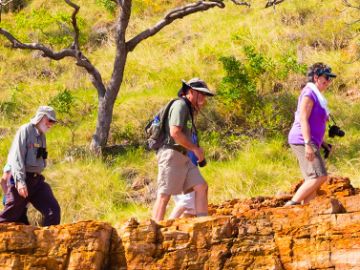
A Bold Fellowship of Explorers
A Bold Fellowship of Explorers
We’re thrilled to announce that Zegrahm Expeditions is trading under our sister company’s brand name Exodus Travels which will present you with a wide selection of eco-friendly expeditions for your return to adventure. Our team, along with Exodus’ experts, will be taking care of existing Zegrahm Expedition travel plans from here on out. Most importantly, however, is that this will allow us all to further advance our regenerative tourism efforts together supporting the people and places across the world so heavily hit by the past 17 months’ halt on travel.
For almost 50 years Exodus has been a pioneer of active adventure tourism that gives back to the communities they visit through sustainable small group and self-guided tours which is of the same ethos that Zegrahm Expeditions has had for 30 + years. These range from Responsible Wildlife to Walking and Trekking, Cultural, Cycling, and Polar adventures.
As a Zegrahm explorer, you now have access to over 600 Exodus trips in 100 countries, and as we are now working jointly, you will also notice extraordinary expeditions led by experts in their field are now available on the Exodus website as a part of the Exodus Expeditions Collection. In addition, for every passenger booked, Exodus will rewild 100 square meters of the Italian Apennines through their Nature and Carbon Corridors Project.
If you have an existing booking or travel voucher with Zegrahm Expeditions, you don’t need to take any action. However, if you do have any queries, you can reach us at info@Zegrahm.com or 1-800-628-8747.

Exodus’ New Expedition Collection
An expedition is a journey, often of epic proportions
These naturalists, ornithologists, historians, marine biologists, photographers, and veteran explorers invite you to join them on expeditions. Discover our planet’s most compelling destinations, natural wonders, cultures, and creatures led by globally renowned experts in their fields. Designed to celebrate our everlasting curiosity, genuine spirit for discovery and passion for life.
Discover The World Of Exodus






The Exodus Foundation
Exodus Travels is passionate about the power of travel to make a positive impact on the world around us and works hard to make sure our adventures empower and protect the communities and environments they take people to. Our mission is to harness the power of travel to improve



Adventure Vacations Are Back – Here Is Where You Can Go Now
Exodus and International Expeditions combined expert team is continuously reviewing the latest travel requirements at home and abroad so we can bring you the most up-to-date advice. Discover a selection of trips from destinations that are currently open for quarantine-free travel for Americans, so you can start planning your upcoming adventure right now.
Rest assured all of the trips you can book here operate under Exodus’ Booking Terms + Conditions which means you can Book and Travel with Confidence. Not only has Exodus won awards from National Geographic Traveler Magazine, USA Today, and the British Travel Awards, but they also have an industry-leading booking flexibility policy in place to give travelers added peace of mind when they head out on their vacation. Find out more about your stress-free travel experience; one of the many reasons Exodus’s adventurers have rated them ‘excellent’ on Trustpilot.


Trusted & Award-Winning Tours



The Adventure Begins Here
Get regular inspiration straight to your inbox from Exodus' experts.